

The business casual dress code of 2026 will not only act as a way to dress for work but will provide individuals with a powerful, psychological tool that impacts how others perceive them within the organization. Without uttering a single word, your clothing may communicate your ambition, level of discipline and your level of authority during negotiations, presentations and leadership opportunities.
Psychology of Business Casual
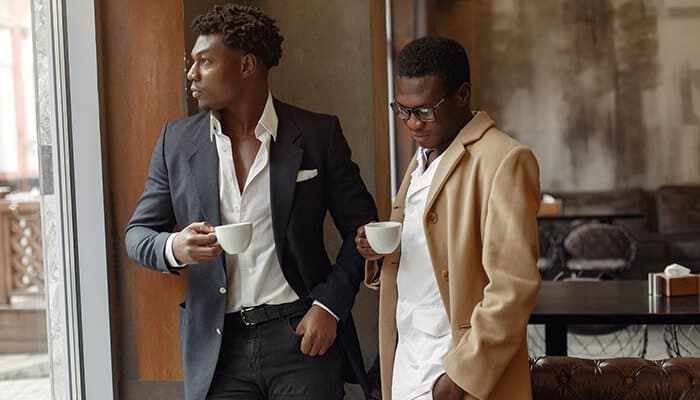
Studies have found that wearing structured clothing (such as a tailored blazer and fitted pants) gives a person a higher level of perceived competence. Typically, men’s business casual clothing will create an intersection between being approachable and having authority. In corporate settings, wearing trendy clothing (business casual attire) will suggest individuals are reliable, while wearing similar trendy clothing will suggest individuals are modern, authoritative, and will create a sense of familiarity within the startup environment. Understanding the balance between your sense of professionalism through clothing and your authority will be critical.
The Business Casual Hierarchy of 2026
There are various styles of business casual attire that vary when being worn. The following is an overview of what is considered “business casual”, broken down into three tiers based on where you will be working.
Executive Business Casual: Structured wool blazers, pressed dress trousers, and dress shoes would be a typical example if you are working in either the finance or consulting industries.
Corporate Standard or Business Casual: A blazer may or may not be necessary, and dress pants can be tailored-style chinos instead of dress pants.
Startup Modern Office: An unstructured design for both blazers and polo shirts, combined with minimalistic sneaker-type shoes due to a less-formal work environment associated within the realm of technology and innovation.
Core Wardrobe Essential Items
The most beneficial way to create an authoritative-looking wardrobe is to have essential items as the foundational basis that you will use for creating this type of wardrobe. The following are examples of core wardrobe items you should have:
Blazers: Navy and Charcoal for structured leadership styles.
Dress trousers: Charcoal dress wool, Navy chinos, and a stable item based on the four seasons.
Shirt Options: White Oxford, Light Blue Oxford, and Knit Polo.
Footwear: Brown leather loafers, black dress shoes, and minimalist-type sneakers for the startup environments.
Style Based on Seasons and Industry-Specific Work Environments
Summer — Lightweight Tropical Wool Trousers, Cotton Blend Fabric Trousers, and loafer-type shoes (without heavy socks).
Winter — Merino Wool Sweaters, Multiple Layered Blazers, and Structured Overcoats create an authoritative look.
Avoid creating a polished and authoritative looking professional wardrobe if the items do not fit correctly, are wrinkly, or the wrong type of shoe is worn to a formal environment. Stay away from wearing sport-type sneakers to formal environments; concentrate on professionally fitting, clean clothes.
Capsule Wardrobe Construction
A capsule wardrobe eliminates the need to make decisions about clothes by ensuring that everything in your wardrobe works together. For the business casual man, having 25 or more combinations in your balanced wardrobe allows you to wear each item at least one time. Start with core clothing like a blue blazer, gray dress pants, and brown loafers, and then build outwards based on the season and quality.
The Psychology of Power Dressing
Business casual clothing for men is a representation of the power that men possess in society. The structure of a garment reflects power through its length, while the texture of a clothing item conveys sophistication. Fit is also important; how a garment fits will be indicative of how much self-respect and confidence someone has, both vital for moving up in the workplace.
Summary
In order to master business casual attire by 2026 you will have to use strategies and not trends. This means that you should invest in clothing that will stand the test of time, avoid making common mistakes, and purposefully dress. You should wear clothing that communicates a level of respect and prepares you for a promotion in accordance with the professional and personal goals that drive your career.


















Write a comment ...