

Integrated Automation Forms the Foundation of Digital Transformation
With a fast-feeling economy, organizations need to work faster, smarter and more efficiently now more than ever. Organizations can no longer depend solely on systems that will play catch up in competitive environments. To stay ahead of the competition, organizations must deploy technology that automates work, but also provides insight, greater accuracy, and flexibility. One of the many transformative solutions to fuel this shift is Integrated Automation, which gathers together machines, software and workflows within a single intelligent environment.
What is Integrated Automation?
Integrated Automation integrates hardware, software and control systems, offers a unified digital environment characterized by interconnected equipment that is synchronized. Integrated Automation provides seamless communication of data from sensors, production equipment, to enterprise systems. Automation erases manual inputs for data, provides organizations with a more optimized data exchange to engender high fidelity in performance, and real-time awareness.
However, the objective is not simply automation, but to develop a self-optimizing ecosystem that is capable of responding dynamically to a changing environment. For example, a manufacturing facility is capable of harmonizing robotic arms, conveyor belts and inspection devices to perform with speed and consistency never seen before.
Why Businesses Are Embracing Automation
Enhanced Efficiency: Repetitive tasks are carried out, decrease errors, and operations continue running in an efficient manner with little downtime.
Data-Driven Insights: Monitoring and analytics of events in the moment help quantify performance, and then the businesses can make more informed decisions to become more efficient and effective.
Cost and Energy Savings: Automation leads to lower labor costs, improved energy consumption, and lower failures by using predictive maintenance.
Quality Control: Automation can check for deviation and take immediate action, leading to higher customer satisfaction.
Real-World Examples
Manufacturing: Brings robotics and inspection together to improve throughput and efficiency.
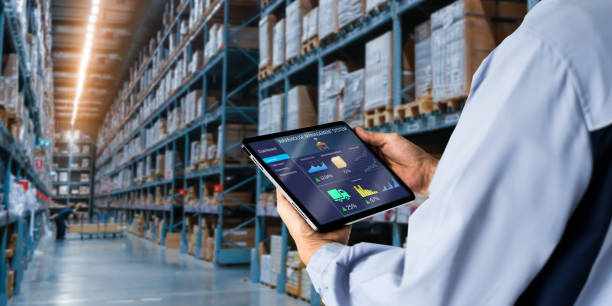
Supply Chain Logistics: Tracks materials and shipments, improving accuracy and speed.
Process Industries: The food, pharmaceutical and chemical sectors can precisely control temperature and pressure, and ultimately, quality.
Obstacles and Considerations
Automation requires planning, expertise, and semi-continuous training of the workforce. As well, organizations should consider upgrading existing legacy systems. The cybersecurity of the connected networks is critical.
Looking Forward
As AI and IoT develop, integrated automation will get smarter, developing and anticipating outcomes of autonomous acts, etc. Organizations that are early adopters should experience a competitive advantage, improved efficiencies, and also resilience in this digital-first world.
For more visit: https://www.tycoonstory.com/


















Write a comment ...